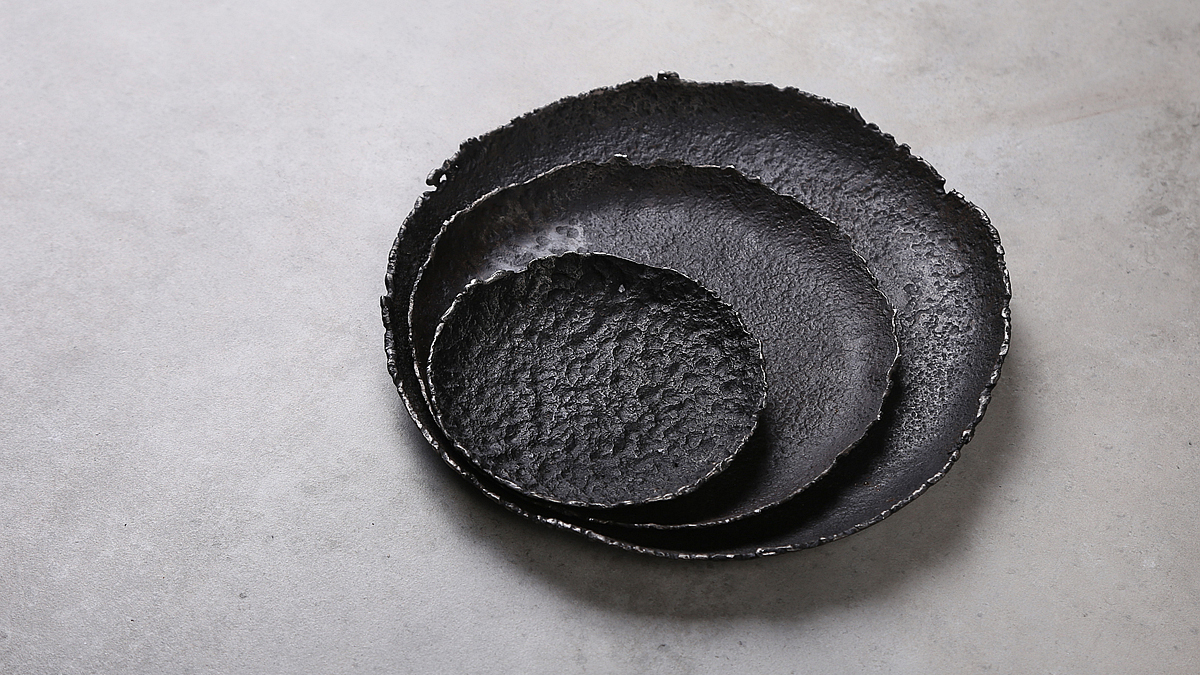
Iron Revival
Strategy Design
Research / Workshop Organisation / Exhibition curation
Intern Project at MADE IN NATURE(China)
03.2016 - 03.2017
THE CHALLENGE
Help the craftsmen to bring back the dying traditional Chinese handicraft and improve their living situation.
THE OUTCOME
A strategic design practices to raise awareness of the craft and assisting ironsmiths in gaining a national clientele.
About the Project
In a growing technology-run and industrialised world, people are increasingly forgetting the traditional crafts and moving towards new innovation. Due to this, handicraft is losing its grip. Preserving and protecting the skills and knowledge of traditional crafts is a growing challenge. So, it is high time that art forms are revived and awareness spread about them in urban space.
Together with colleagues, Made in Nature aimed to uncover new ways to engage with local craftsmen and urban consumers, and develop design concepts for building a world where handcrafted items are given due respect and the artisans are also get the recognition they deserve for their skills.
Research
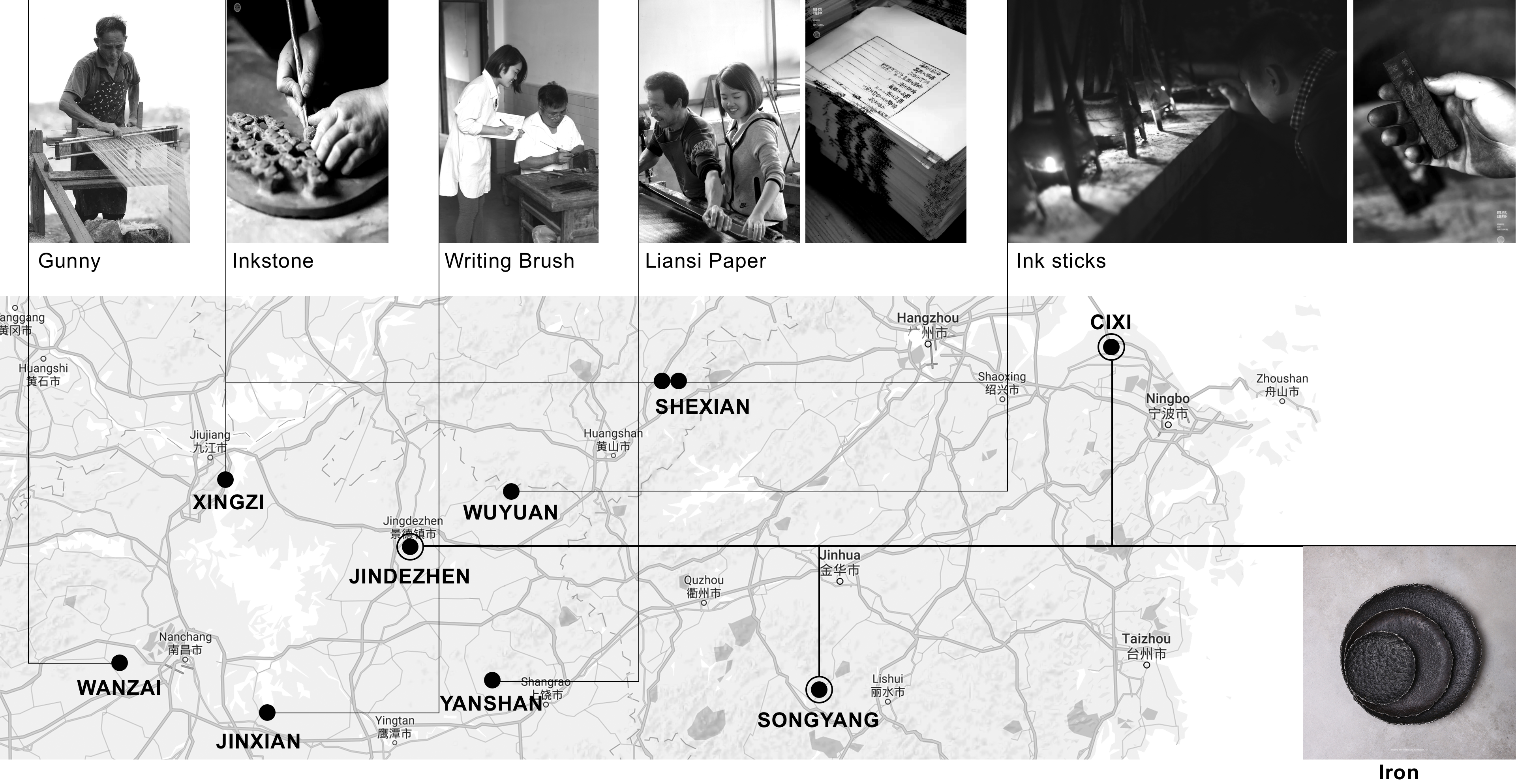
Field research in 3 provinces, 9 places
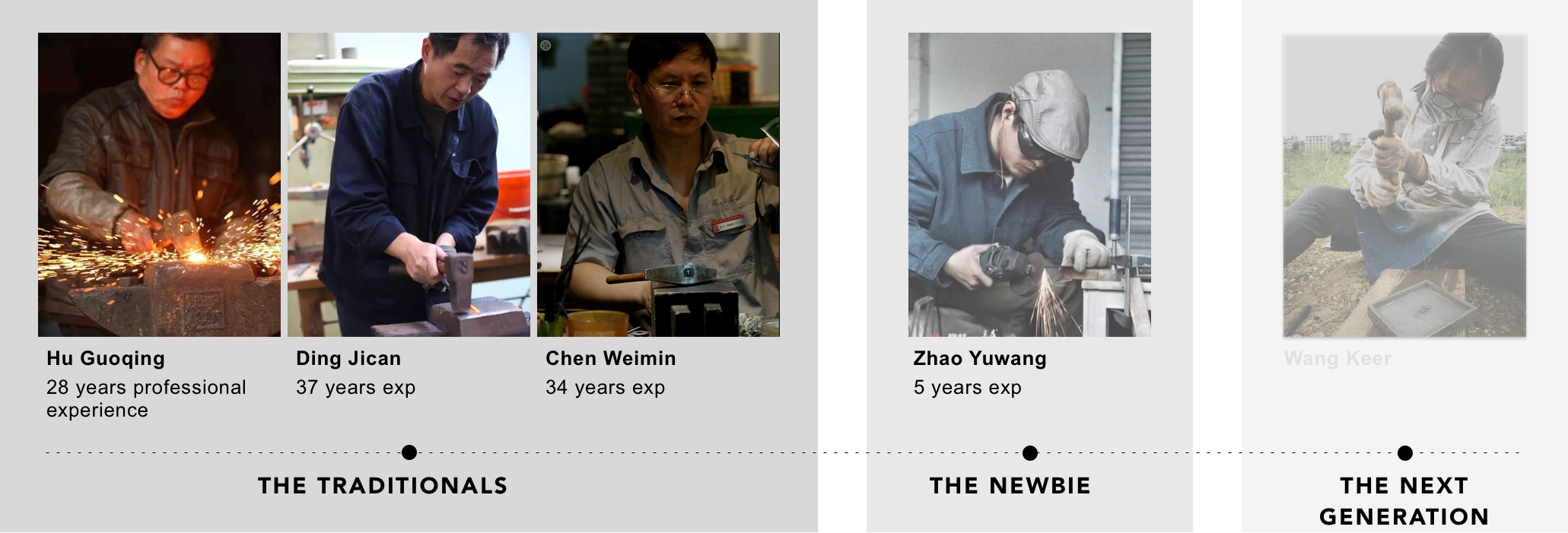
Ironsmiths Archetypes
With this ambition in mind, we did field research in Zhejiang, Jiangxi and Anhui provinces. Field research uncovered multiple challenges facing local craftsmen, especially for ironsmiths. First, craftsmen are losing their income and they have to farm rather than focusing on their crafts. Second, They are losing next generation learner. Most of young labours choose to work in the city rather than staying in the village.
The main reasons are:
- Lack of creativity. Their aesthetics and design are out of fashion. They even don’t know basic design method. What craftsmen do is following the traditional style.
- Lack of awareness of business and marketing channel. Their main clients are the people who live in the same village.
- Communication gap between craftsmen and clients.
- Difficulty of learning the skills. Most of craftsmen began to learn the iron skills since 4-5 years old. It take more than 30 years to fully understand and apply skills in productivity.
So there are the strategy for reviving iron:
REAPPERA, REPRODUCE, REBORN
Design Stages
1. Field research
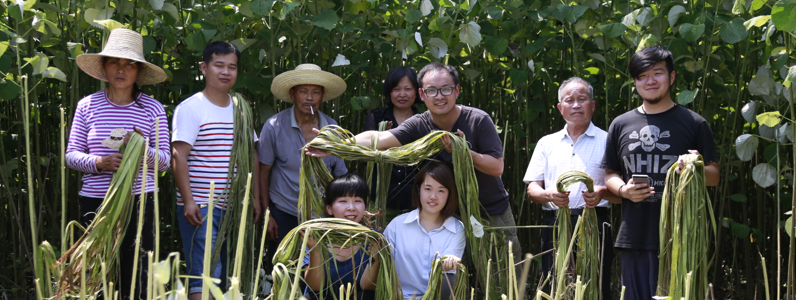
2. Created a series of documentaries about iron and handicrafts.Documented the traditional crafts for planning a Chinese Folk Art Museum.
Raise awareness of protecting the cultural heritages and wide range of handicrafts.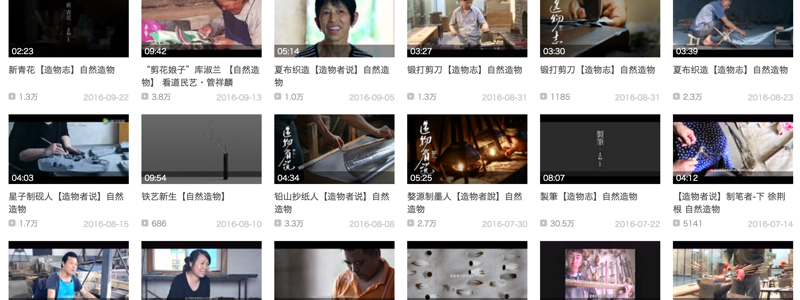
3. Collaborated with local government and a scissors factory. Help them recognise it as a source of local supplementary income.
Handicrafts could be a source of main income for the craftsmen, who have limited alternative employment opportunities in the village.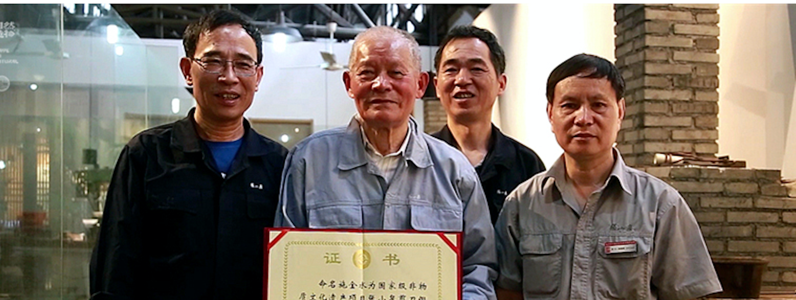
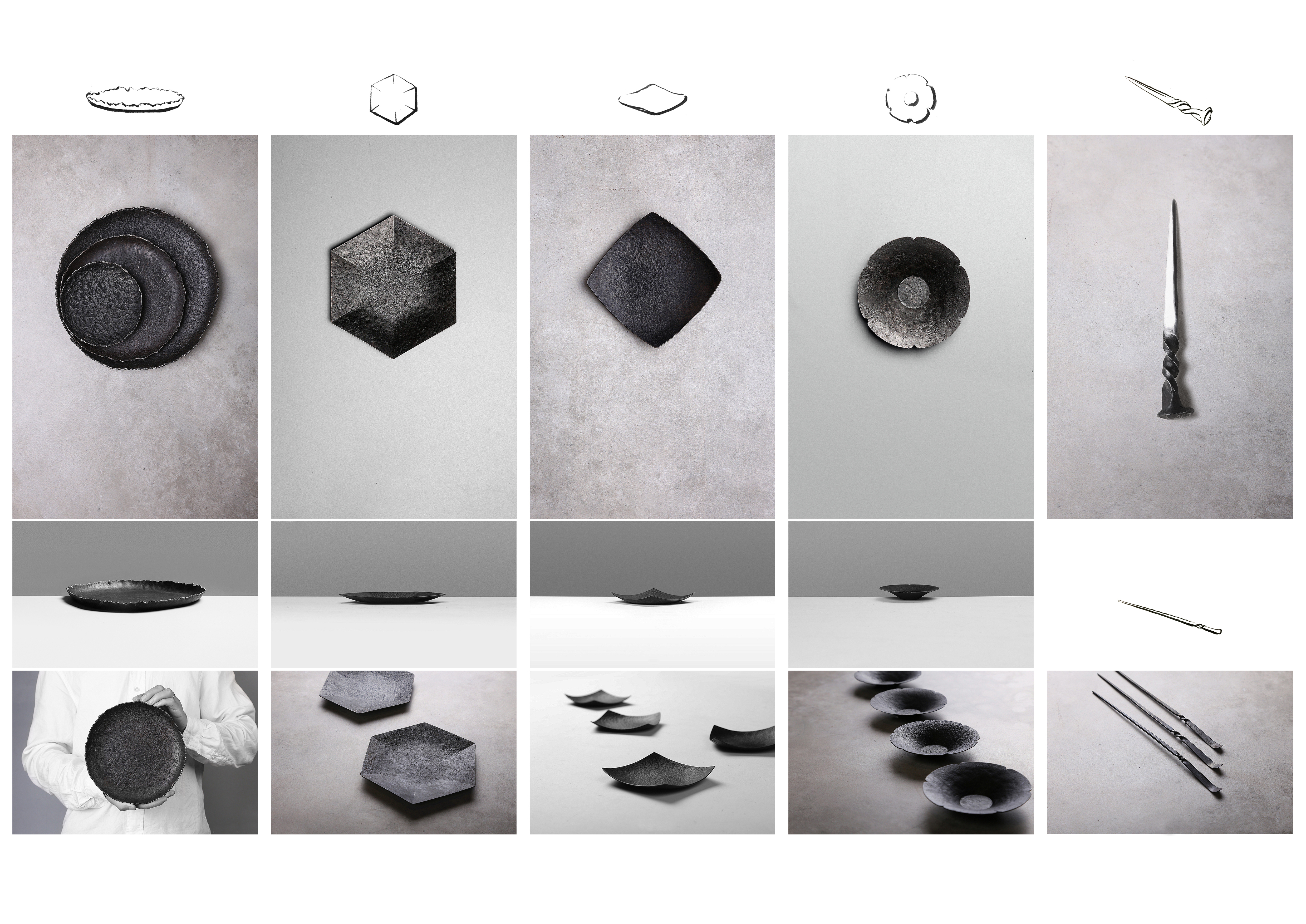
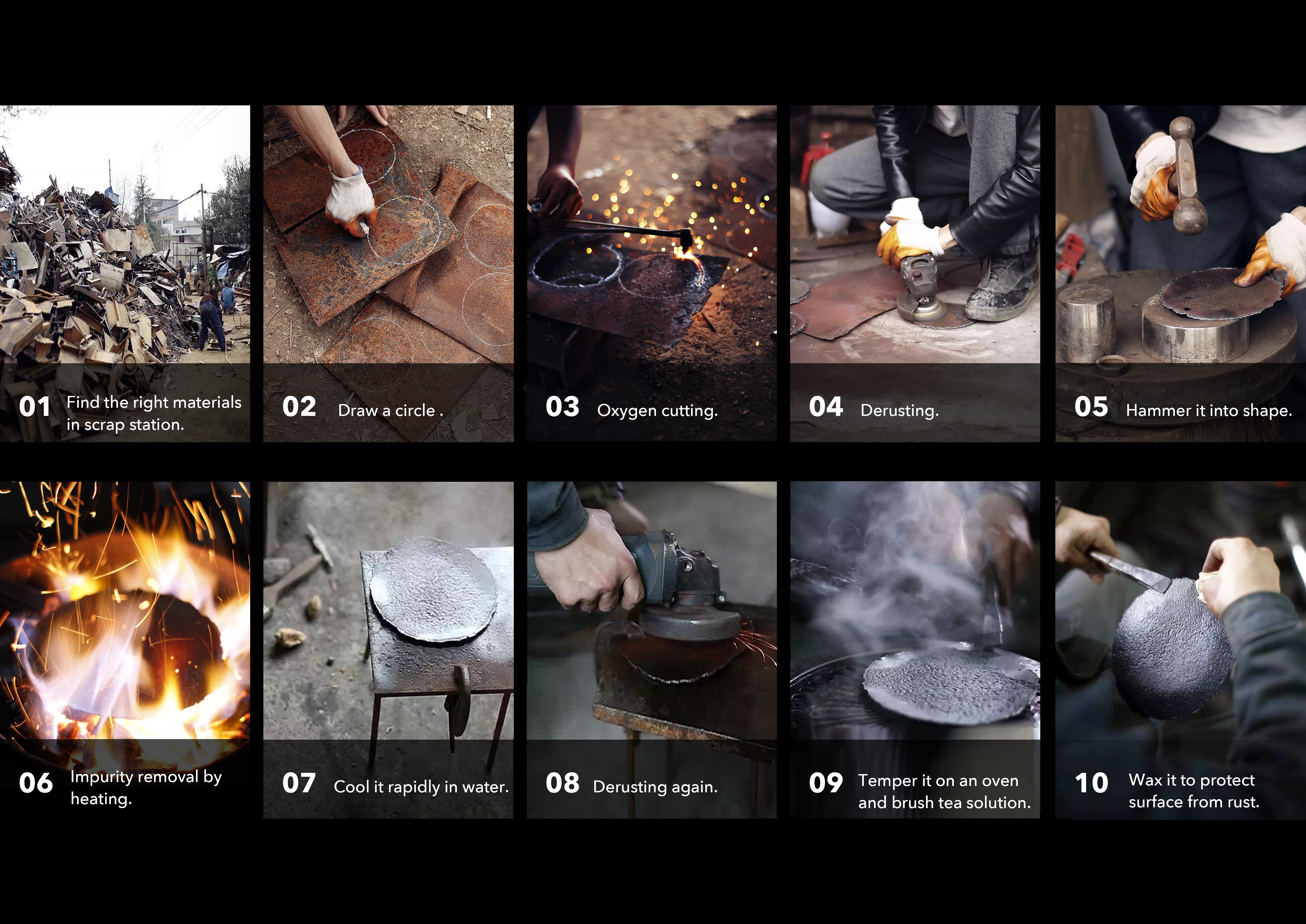
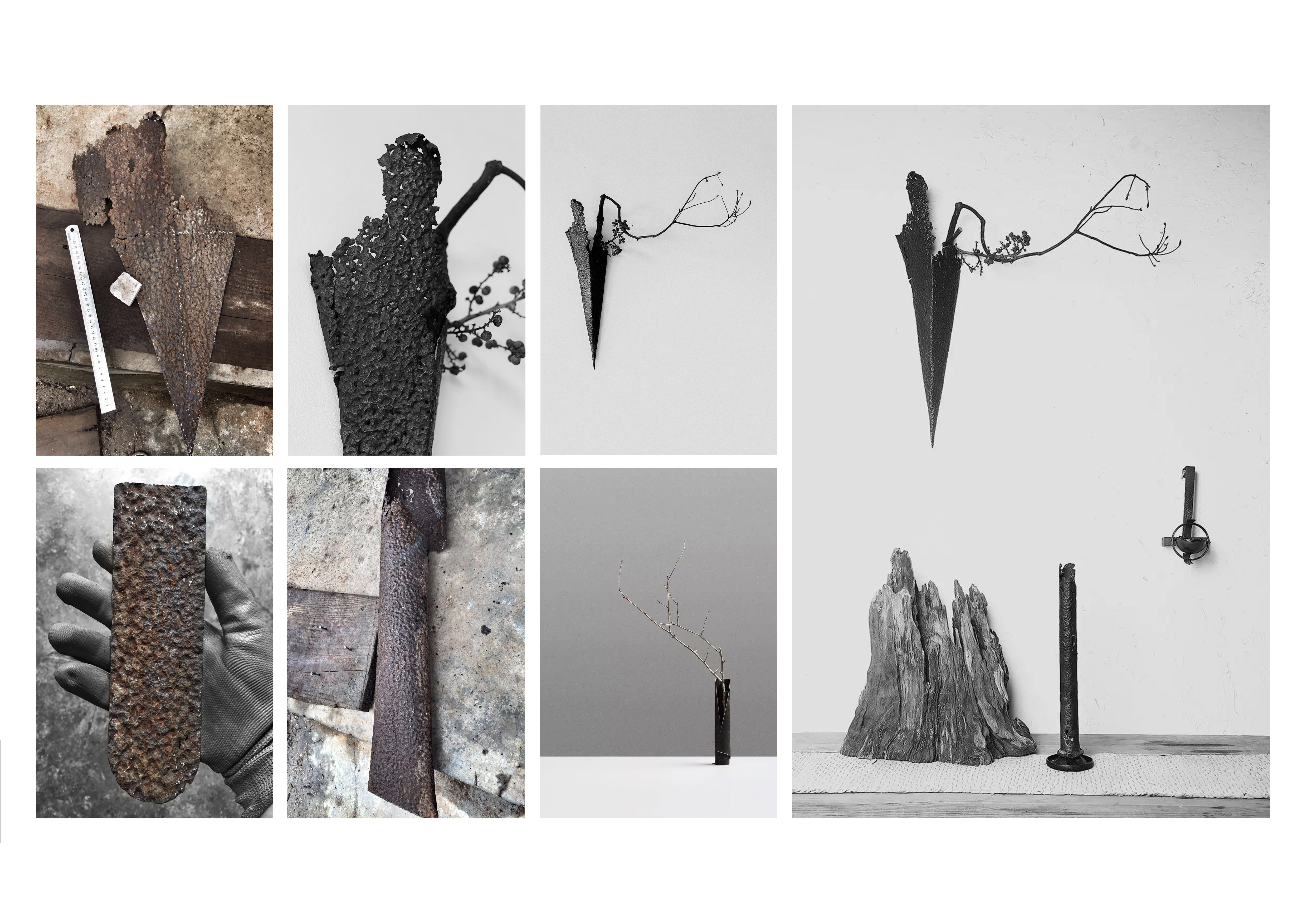
4. Designed and prototyped the ironware for testing.
Before teaching ironsmiths modern design tools, we designed and made a series of ironwares to fully understand the iron skills and what problems during the skill learning process.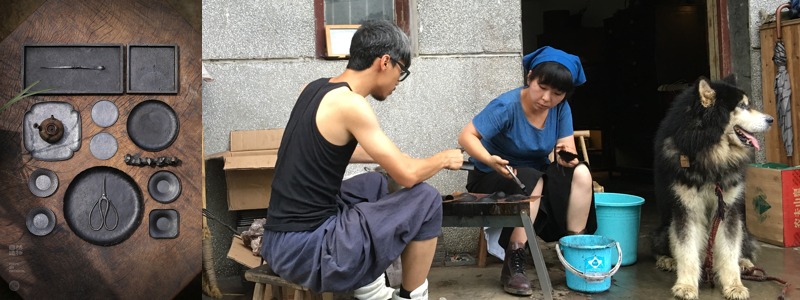
5. Developed and implemented training program for craftsmen to learn design thinking practices.
Bringing craftsmen in a mixture of designs to strike a balance between the avant-garde and the traditional.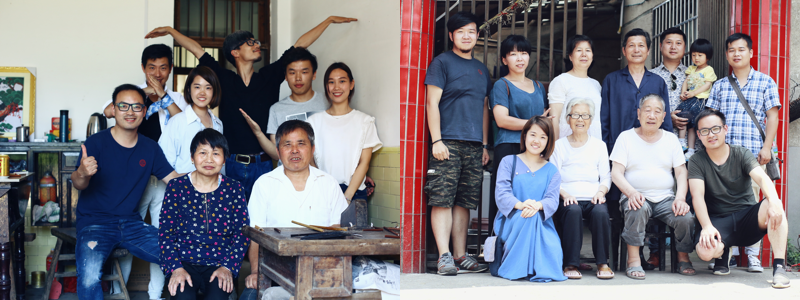
6. Organised an exhibition “Warm Iron” to increase interaction with the clients.
Ironsmiths could tell all about their work and the meaning behind it. This inspires the customers and establishes a connection between art and buyer. This also helps the artisans know what the consumers want or need.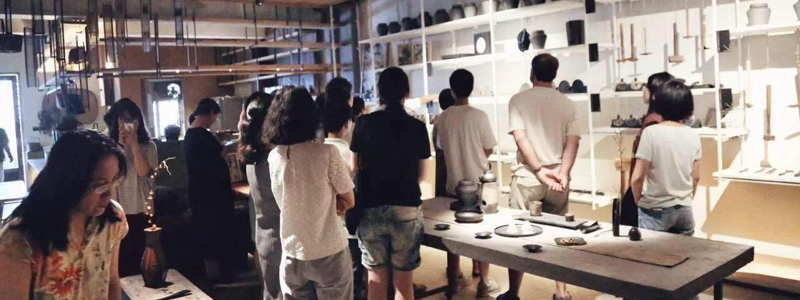
7. Successful crowdfunding.
We supported ironsmiths to gain crowdfunding for selling their new designed masterpiece successfully. They got ¥139127 in total.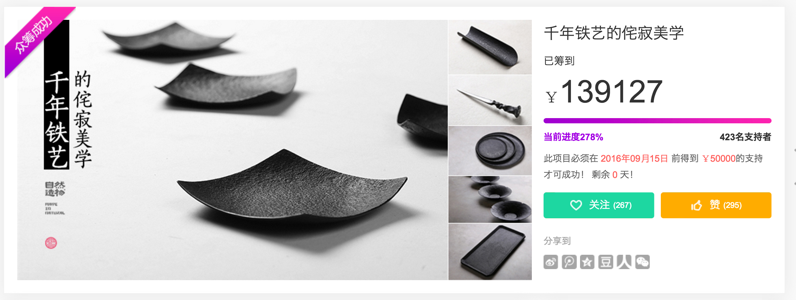
The Outcomes